
Updates + Notices
Read below for updates on the agency, our projects, and our data, as well as timely public health notices or statements

Preventing Tickborne Disease in Cortland County
Ticks can spread serious illnesses, including Lyme disease, and are becoming increasingly common across New York State. Learn how to prevent tick bites, safely remove ticks, recognize early signs of tickborne disease, and understand why daily tick checks are especially important for people spending extended time outdoors in Cortland County.
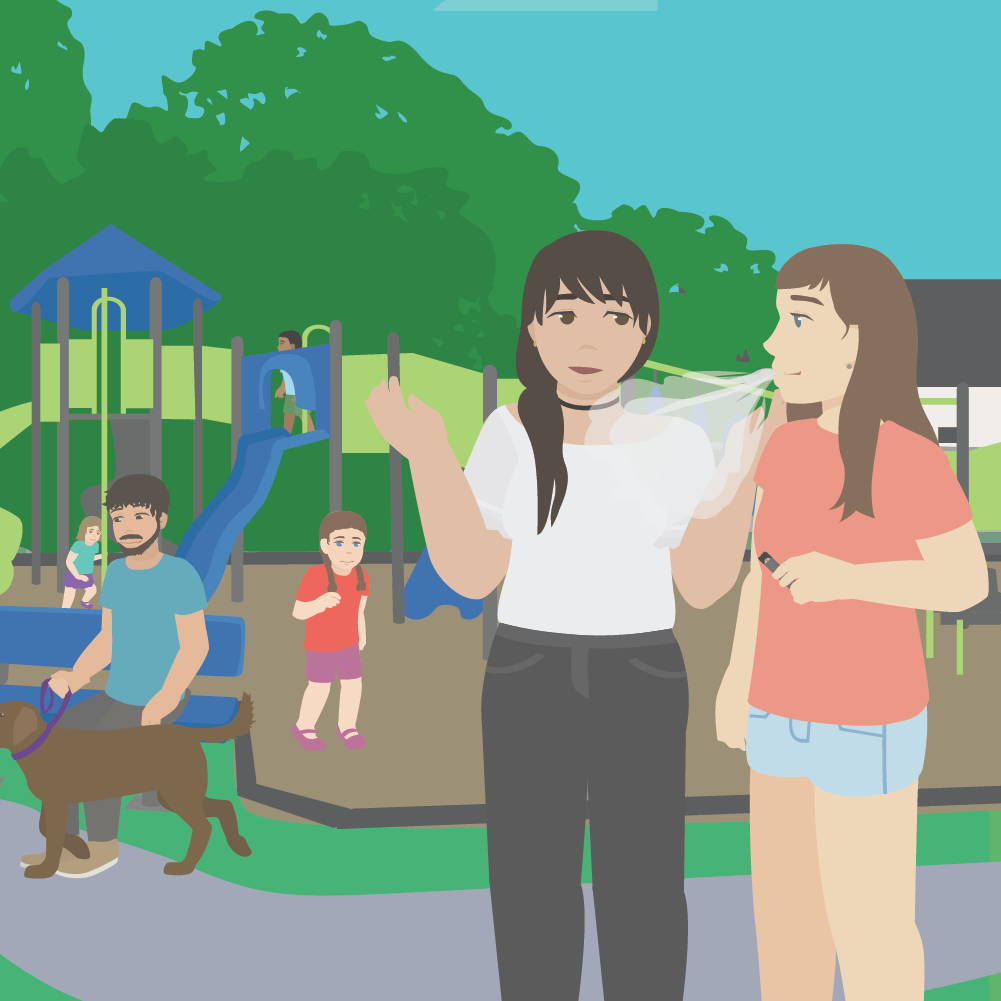
Creating a Healthy Environment for Your Teen: Preventing Nicotine and Cannabis Vaping
Parents can make a meaningful difference in preventing nicotine and cannabis vaping, starting with understanding what vaping is and how to support their teen. Vaping is the use of an electronic device, such as an e-cigarette or vape pen. These devices may contain nicotine, cannabis compounds such as THC or CBD, flavorings, and other chemicals, which can impact a teen’s health and brain development. A variety of factors can influence a teen’s decision to vape, but having conversations with teens, supporting healthy coping strategies, and practicing safe storage can help to make healthy choices easier for teens.

Decodable Books Learning Hubs Expand in Cortland County
A New Resource for Families: Cortland County's Healthy Homes Program
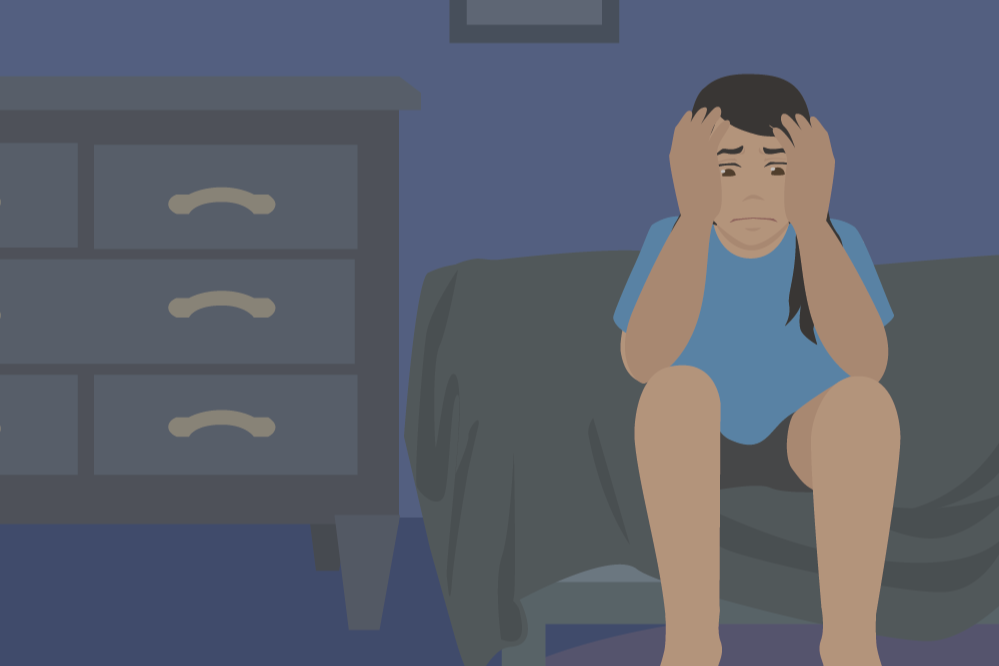
April is Stress Awareness Month: Strengthening Your Stress Radar
April is Stress Awareness Month, a time to recognize how stress shows up in our daily lives and how it influences the choices we make. The concept of a stress radar is simple but powerful. It means learning to pause, check in, and notice the signals your body and mind are giving you before stress builds or leads to unhealthy decisions.
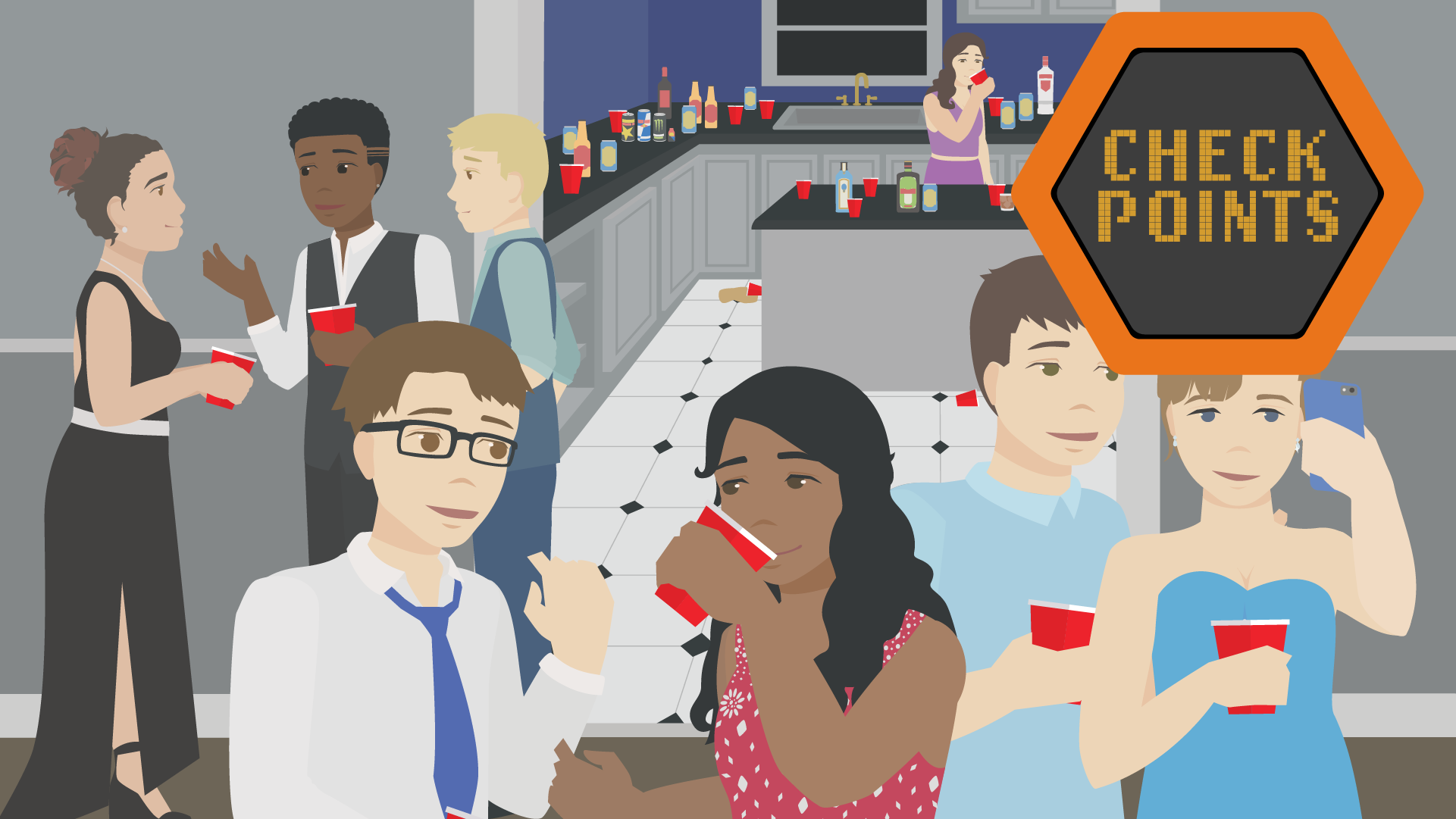
Introducing Check Points: A New Way to Think About Alcohol and Choice
Before you take a sip, take a moment. Check Points is a new campaign designed to help you make more intentional choices about alcohol, using simple, science-backed prompts that fit into real life.

Cortland County Launches the Cortland County Healthy Homes Production Program; Residents Can Now Apply
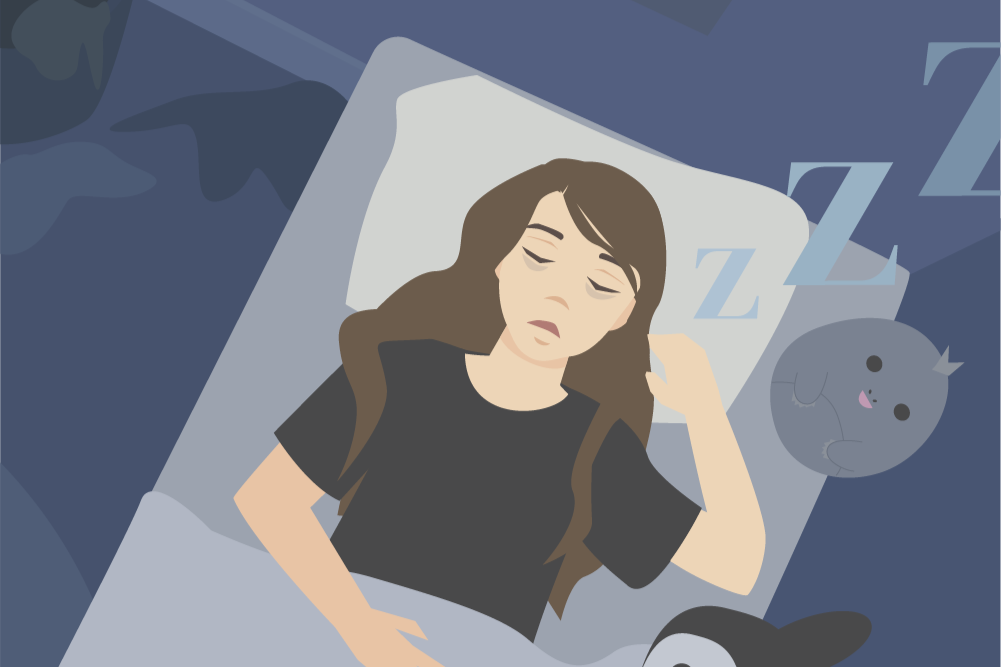
Why Sleep Matters in Cortland County: Launching the DreamWell Campaign
March is National Sleep Awareness Month, a time to recognize the role sleep plays in overall health and well-being. Data from the 2025 Cortland County Youth Survey show that many local teens are not getting the rest they need, with connections to learning, mental health, and substance use. The DreamWell campaign uses local data and practical strategies to help our community better understand why sleep matters.
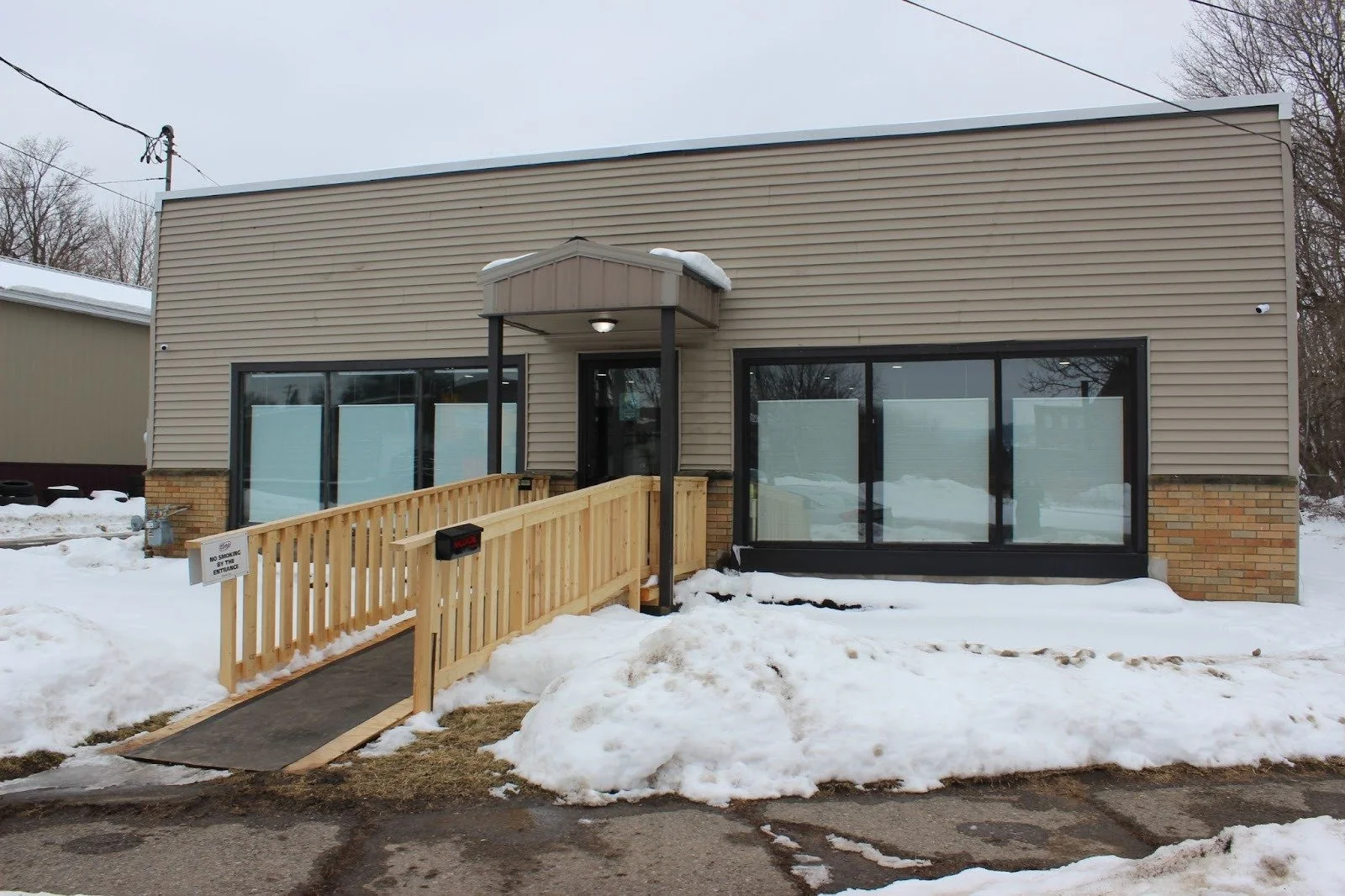
From Pilot to Permanent: The New Grace Space
The Grace Space has officially opened a permanent, year-round home at 64 Pendleton Street in Cortland. What began as a winter pilot project has grown into a dedicated daytime space rooted in dignity, safety, and human connection for individuals experiencing homelessness or housing instability. Thanks to strong community partnerships and generous support, the new location allows for greater consistency, expanded services, and deeper connections to care.
