
A Warm Approach to Winter: SAFE365 Tips for Supporting Teens
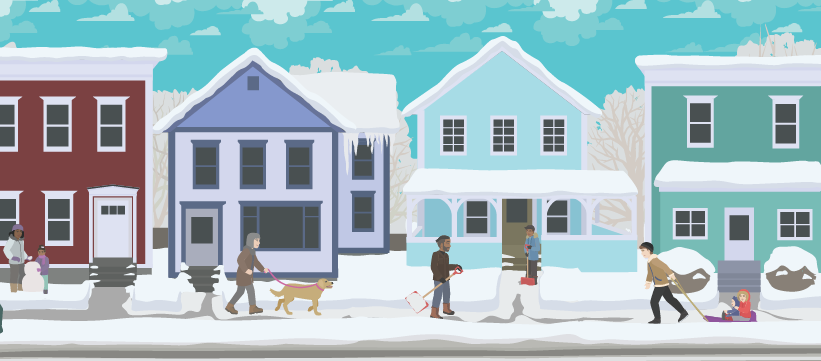
Winter brings shorter days, colder weather, and more time spent indoors. It is also a season filled with holidays, school breaks, and family gatherings. These seasonal shifts create meaningful opportunities to deepen family connections and reinforce healthy habits. The SAFE 365 W-I-N-T-E-R framework highlights six key actions that help families support teen well-being throughout the winter months. Each letter in the word WINTER represents an important focus area designed to keep teens safe, engaged, and connected.
Warn and Educate: Winter celebrations and holiday events can increase exposure to risky behaviors. Use this season to talk with your teen about substance use, real-life situations, and current trends in your community. Sharing relatable stories and clear facts helps teens understand the consequences of unsafe choices and prepares them to navigate social pressures during festive gatherings. Youth who knew their parents would not approve of drinking were nine times less likely to report drinking in the past thirty days.
Influence and Communicate: Time off from school and more indoor activities can expand opportunities for teens to socialize. Keep communication open by regularly checking in about their plans, friendships, and experiences. Encourage honest conversations about peer pressure and help them practice strategies for resisting negative influences. Consistent communication strengthens trust and reinforces your role as a supportive guide. Local teens whose parents would know if they came home on time were half as likely to report using substances.
Notice and Monitor: With more time spent at home, it is important to remain aware of what is accessible in your household. Make alcohol, medications, and other potentially dangerous substances less accessible by getting medication lock boxes and safely storing alcohol with locks and/or keeping it out of reach. Monitoring the home environment promotes safety and creates a space where teens can grow with confidence and healthy boundaries. Youth who reported it was hard to access substances like alcohol, cannabis, or vapes were less likely to use these substances.
Track Activities: Winter often brings sleepovers, indoor hangouts, and group outings. Invite your teen to welcome friends into your home so you can observe their interactions and get to know the people who influence their daily lives. Staying connected to your teen's social world helps reinforce expectations and provides insight into their routines and relationships. When parents know where their youth are, and who they are with, these youth are less likely to report use of alcohol or cannabis.
Enforce Rules: Consistency is essential during winter break and schedule changes. Reinforce family rules and follow through with fair and predictable consequences. Structure and steady boundaries provide teens with a sense of security and help them develop responsibility and decision-making skills. Teens who face consequences (like extra chores, curfews, loss of phone or car, etc), were half as likely to report drinking. Teens who faced major consequences (being grounded, loss of phone/car privileges for a week or more), rather than minor consequences, were four times less likely to drink.
Reserve Family Time: Winter is an ideal time to build family traditions and share meaningful experiences. Decorating together, cooking, playing games, crafting, or enjoying outdoor winter fun can strengthen emotional bonds. Regular family time supports communication, reduces stress, and reminds teens that they are valued and cared for. Teens were less likely to report substance use when they felt that their family spent fun time with them regularly. Youth who regularly had fun together with their families were four times less likely to use cannabis or vapes.
A Season for Support and Connection
Winter offers the perfect opportunity for families to slow down and focus on what matters most. By practicing the W-I-N-T-E-R strategies in the SAFE 365 framework, families foster a warm and supportive environment that encourages positive choices and nurtures healthy relationships all year long.
Find more parenting guidance and prevention tools at safe365ny.org.
This article includes data gathered from the 2025 Cortland Youth Survey and reflects similar trends identified in the 2023 Tompkins CLYDE Youth Survey.
References:
The Rural Health Institute of New York (RHI). Results and Analysis: The 2025 Cortland Youth Survey.
Tompkins BOCES. (2023). CLYDE Survey (Catalyst Insights, analyst). Tompkins BOCES.
