
Updates + Notices
Read below for updates on the agency, our projects, and our data, as well as timely public health notices or statements

Soap, Suds, and Science: Teaching Kids Why Handwashing Matters This Fall
Handwashing is one of the simplest, most powerful ways to protect your family’s health. Learn how to teach kids the “why” behind soap and germs with a fun science experiment, history lessons, and easy daily routines. This fall, turn clean hands into a lasting healthy habit!

Making Homecoming Safer: Tips for Parents and Hosts
Homecoming season is better when parents work together. Connect with other families, share expectations, and set clear rules about alcohol and substance use. Together, we can help teens celebrate safely and confidently.
Find safe hosting tips and resources at safe365ny.org.

Public Health Basics: Food Safety
Food safety standards have increased greatly since the early 1900s in America. Some of these standards are often enforced by the local health department. Restaurants and kitchens are expected to follow the same guidance provided for cooking in your own home. Rigorous standards were developed in the 1900s after dangerous conditions of food processing plants were widely-shared, and incidents such as cook Mary Mallon, who spread Typhoid Fever through her cooking.

Data For Equity Part 2: Using Existing Data Creatively and Creating New Data
We’ve previously written about how meaningful access to good-quality local data is a key tool for health equity. In many communities, especially rural ones, the data needed to improve health equity simply does not exist. Or, if it does exist, it’s not meaningfully accessible to the people who need it. That’s why so much of our work at RHI is helping communities build better infrastructure for collecting and using local data. Sometimes that means finding existing data and storing, organizing, pairing, and sharing it differently so that it can actually be used. Sometimes that means creating entirely new data sets with tools like surveys or operational systems.
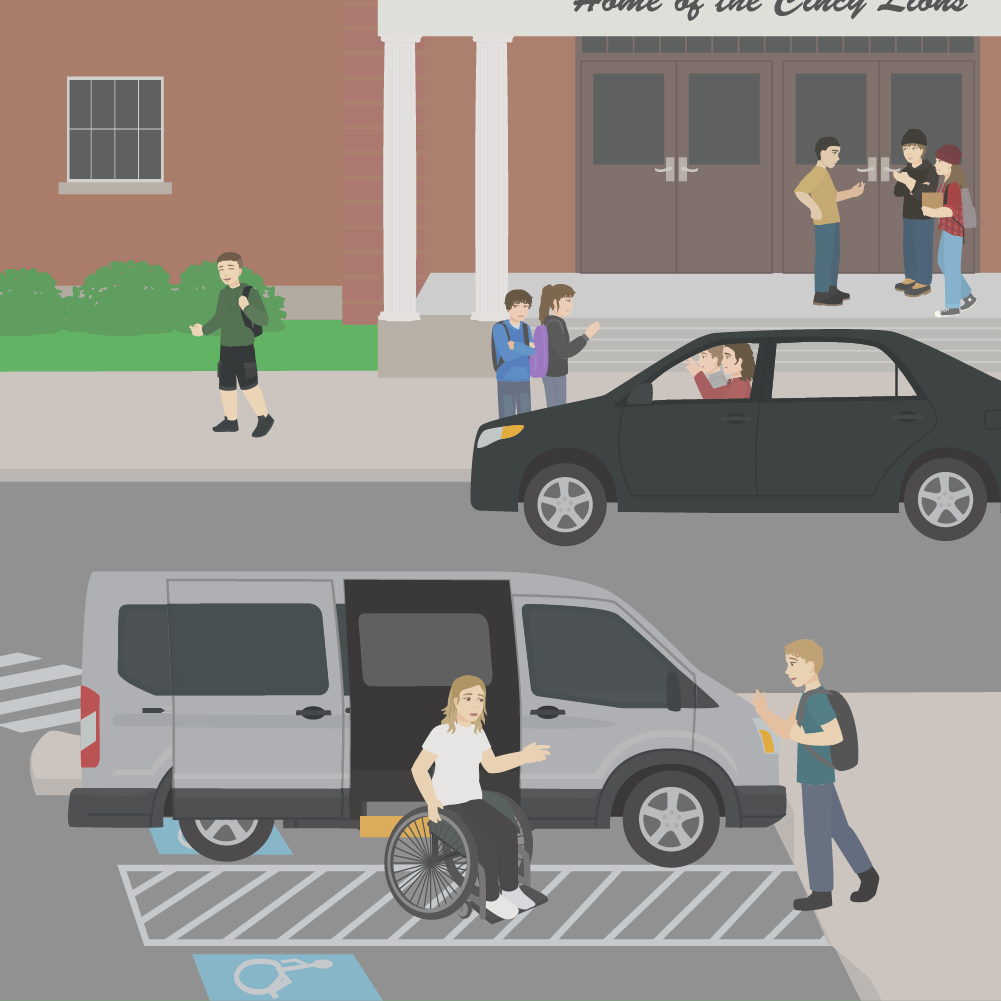
Striving for Strong School Attendance
The return of school in the fall is the perfect opportunity to review ways to ensure that children are making it to school on time and are prepared for the year. Attendance is a critical driver of student success from Pre-K through high school.
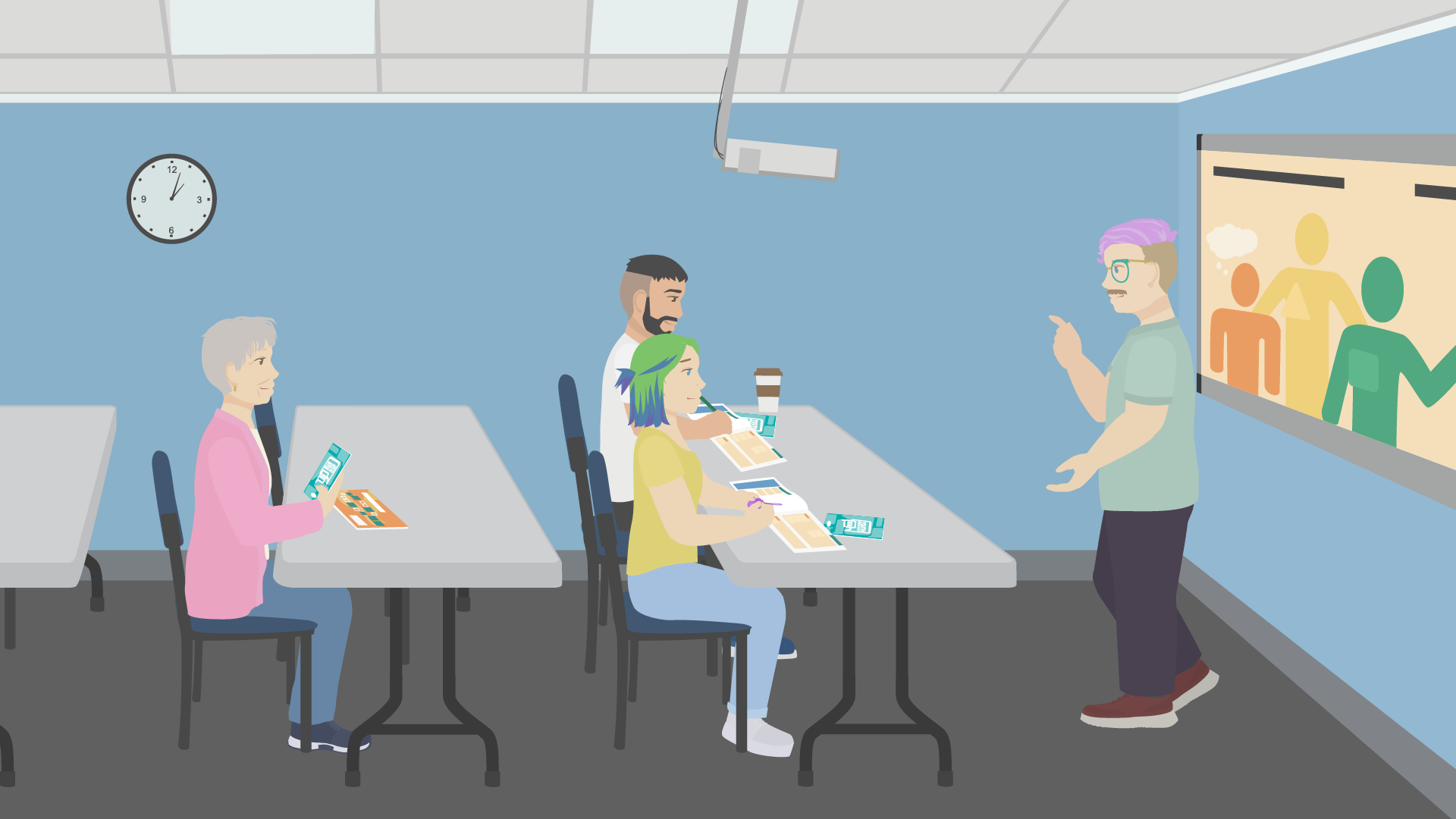
September Is Suicide Prevention Month: Make Prevention Practical
September is Suicide Prevention Month. Learn the signs, start the conversation, and build skills with RHI. Youth Mental Health First Aid (9/23, 8:30 a.m.) helps adults support teens. safeTALK offers clear, step-by-step suicide-alertness skills on 9/27 at 11:00 a.m. and 9/29 at 12:30 p.m. Join SPEAK UP Cortland activities: One Too Many NY 5K in Homer (9/20, 10:00 a.m.) and Chalk the Walk all month to spread messages of hope. Together we can notice concerns sooner, respond with care, and connect help faster. Need help now? Call or text 988 or chat at 988lifeline.org.
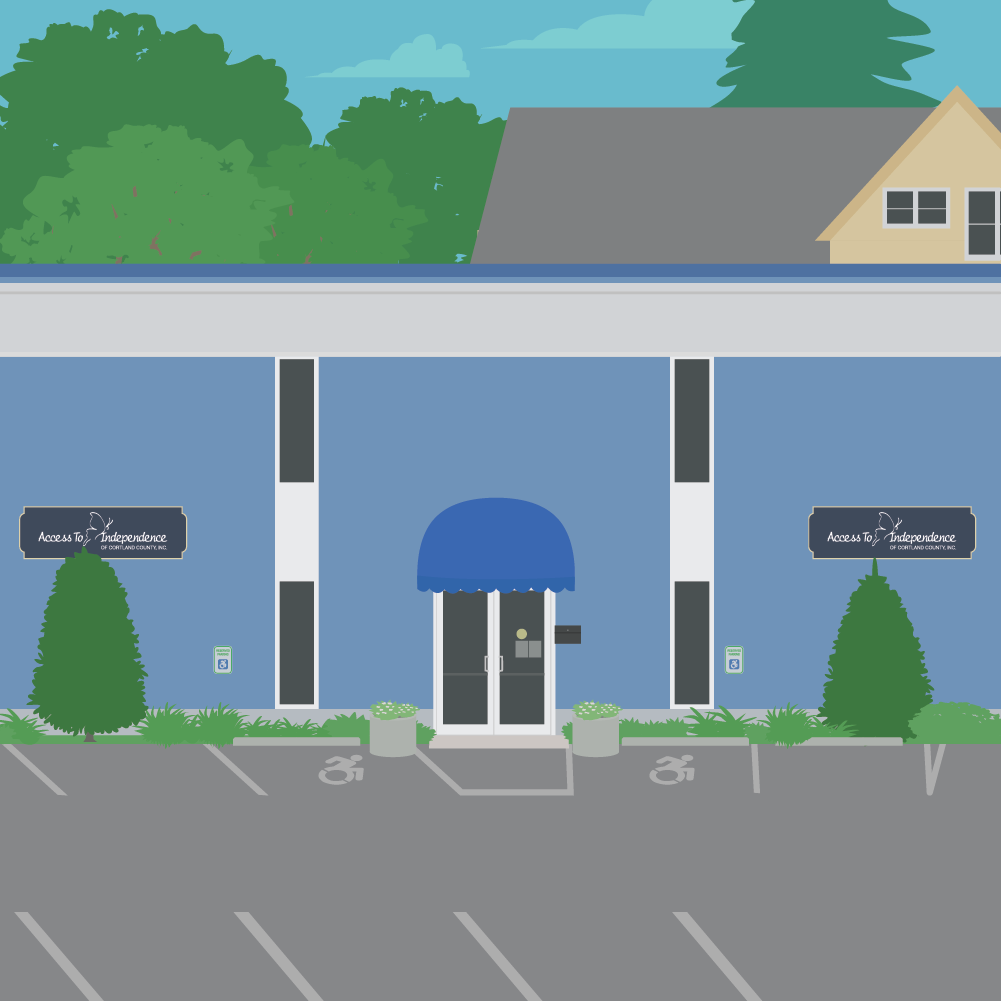
National Recovery Month: SMART Recovery in Cortland
As we mark National Recovery Month this September, SMART Recovery meetings are now available in Cortland every Tuesday from 5:30 to 6:30 PM at Access to Independence (26 N Main St). This science-based, non-religious program uses CBT and motivational tools to build motivation, cope with urges, and live a balanced life. Open to anyone; no registration required. For questions, email hsebastian@nyrhi.org.
Overdose Awareness in Cortland County: Local and National Trends
On International Overdose Awareness Day, Cortland County has reason to reflect with hope. Overdose deaths have dropped 88% locally since 2021, mirroring the national decline. This progress is not accidental—it reflects years of harm reduction work by the Rural Health Institute of New York, including naloxone distribution, fentanyl test strip access, and compassionate community outreach. With overdose deaths at their lowest levels in years, sustaining this momentum requires continued investment in harm reduction and prevention strategies that save lives.

New Report: Piloting the Grace Space, a Data-Driven, Low-Threshold Daytime Resource Center
From November 2024 to April 2025, RHI and other community partners operated a low-threshold daytime resource center for people experiencing housing insecurity and homelessness. This center--the Grace Space--was housed at Grace and Holy Spirit Church in downtown Cortland. This report details the work that went into planning, opening, and operating the space; it gives an overview and analysis of the data we collected through operating the space; and it lays out recommendations for Cortland County's next steps as well as for other communities that want to learn from this pilot project.

Data For Equity Part 1: Data Access is Health Equity
At RHI, we believe that meaningful access to data is a matter of health equity.
In many rural communities like ours, the first barrier to data access is that the data simply doesn’t exist. Too often, we find ourselves relying on national or state-level datasets that either exclude our communities entirely or smooth over the details of local experience. When local data isn’t collected, or isn’t collected with enough detail to show what’s happening across different groups, we can’t see the disparities that exist, let alone address them. If we don’t count people, we risk making them invisible in policy and practice. This is especially true for marginalized groups whose experiences are often left out of broad-scale surveys. Without robust, place-based data that reflects the reality of their lives, our systems are flying blind.