
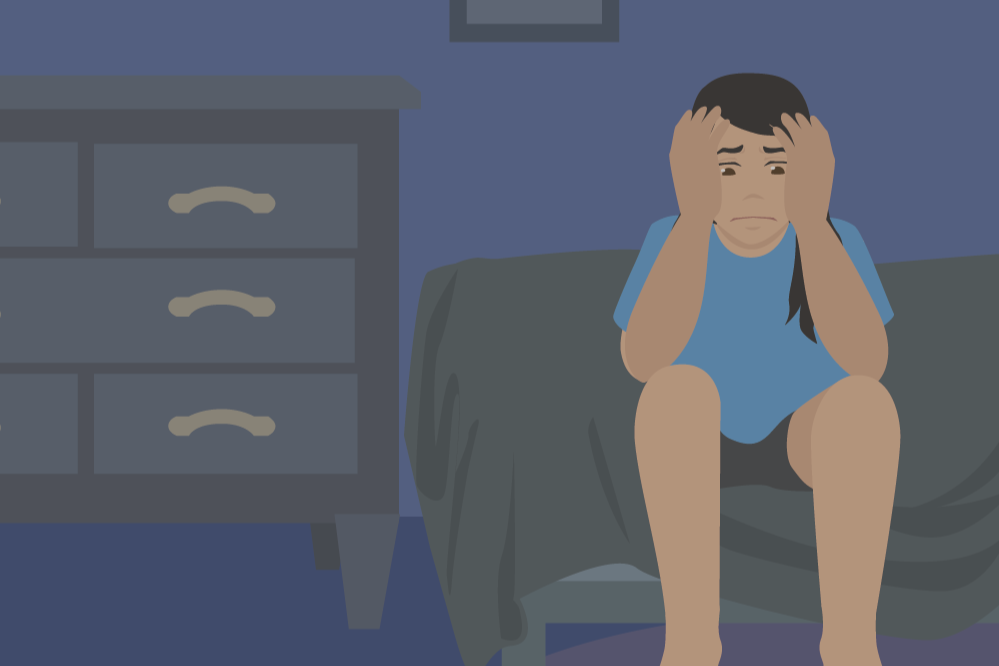
April is Stress Awareness Month, a time to recognize how stress shows up in our daily lives and how it influences the choices we make. The concept of a stress radar is simple but powerful. It means learning to pause, check in, and notice the signals your body and mind are giving you before stress builds or leads to unhealthy decisions.
Stress is a normal part of life. However, when it goes unnoticed or unmanaged, it can affect how we think, react, and cope. It can lead to feeling overwhelmed, making impulsive decisions, or turning to quick fixes that may not support long-term well-being.
What is Your Stress Radar?
Your stress radar is your ability to recognize early warning signs of stress, such as:
Feeling irritable, overwhelmed, or disconnected
Changes in sleep, energy, or focus
Reacting more quickly or intensely than usual
Feeling pressure to cope or escape
When we ignore these signals, stress can build over time. When we notice them early, we have an opportunity to respond in healthier ways.
Why It Matters
Stress does not just affect how we feel. It also shapes how we respond to situations and the choices we make.
When stress levels are high, coping can become more difficult and decision making may become more impulsive. In these moments, unhealthy coping strategies can feel more appealing.
This is especially important in environments where adults are balancing multiple responsibilities, supporting others, and managing their own stress at the same time.
Using Your Stress Radar in Daily Life
Building awareness is the first step. Small, intentional actions can make a difference:
Pause and check in with yourself throughout the day
Name what you are feeling rather than pushing it aside
Take a moment before reacting, especially in stressful situations
Use healthy coping strategies such as movement, rest, or stepping away
Give yourself space to reset when needed
These small check-ins help prevent stress from building and allow you to respond more intentionally.
The Ripple Effect
When adults use their stress radar, it does more than improve their own well-being. It shapes the environment around them.
Being aware of your stress can help you:
Respond more calmly in difficult moments
Communicate more clearly
Create a more supportive and predictable environment
This kind of environment makes it easier for others, including young people, to feel safe, supported, and better able to manage their own stress.
Build Skills to Strengthen Your Response
Awareness is the first step, but building skills can help you respond with confidence.
Building awareness is an important first step, but accessing support and prioritizing mental health care are just as important.
Mental health care can take many forms, including talking with a counselor or therapist, connecting with trusted supports, practicing self-care, and using community resources. Finding what works best for you can help manage stress, build resilience, and support overall well-being.
Learn more about available resources and support options in your community by visiting safe365ny.org.
Additional opportunities for support, education, and training are available through local partners, including Suicide Prevention and Crisis Services and the Mental Health Association. You can also explore more mental health resources and training opportunities here: RHI Mental Health Resources.
Moving Forward
Stress is part of life. The goal is not to eliminate it, but to recognize it, respond early, and make intentional choices.
By strengthening your stress radar, you can better manage your own stress and create a more supportive environment for those around you.
Pause. Notice the signals. Respond with intention.
