
Falls Prevention Awareness Week
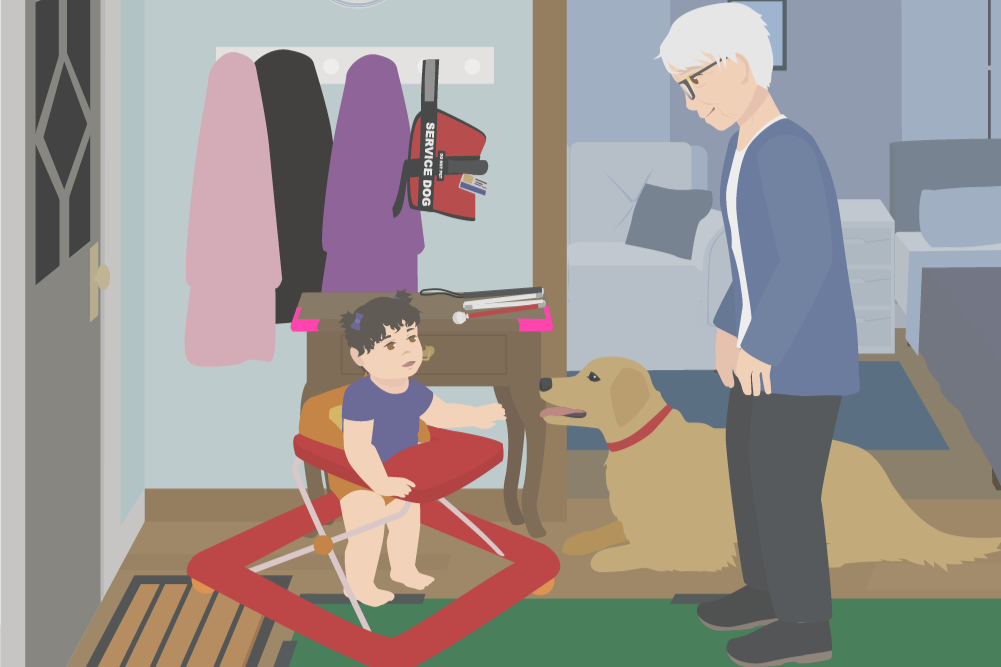
Falls Prevention Awareness Week is September 21–25, 2026. Falls are not a normal part of aging, and many can be prevented through physical activity, medication review, regular vision and hearing care, and changes that make the home safer.
Fall prevention is especially important in Cortland County. The 2025 Cortland County Community Health Assessment reports that the county’s age-adjusted hospitalization rate for falls was approximately 44.7 per 10,000 residents in 2022, compared with 37.1 statewide.
The Cortland County Healthy Homes Program helps eligible renters and homeowners identify and address health and safety hazards in their homes. Adults age 62 and older are one of the program’s target groups. Eligible households may receive a free, in-depth home assessment and, depending on what is found and program approval, improvements to address fall hazards and other concerns at no cost.
Learn more and complete the brief eligibility screener at hellocortland.fun/healthyhomes.
Below are recommendations and resources shared by the New York State Department of Health for Falls Prevention Awareness Week:
Falls Prevention Awareness Week is September 21-25, 2026
Falls Prevention Awareness Week is a nationwide observance that provides an important opportunity to raise awareness about falls among older adults and promote strategies that support healthy aging, independence, and safety in our communities.
Falls are not a normal part of aging, and many falls can be prevented. Falls remain the leading cause of fatal and nonfatal injuries among New Yorkers age 65 and older. Nationally, more than 14 million older adults, about 1 in 4, report a fall each year. The impact of falls can have a significant effect on an older adult’s mobility, confidence, independence, and quality of life. They also place a significant burden on individuals, families, healthcare systems, and communities. In 2024, the Centers for Disease Control and Prevention estimated that healthcare spending attributable to nonfatal falls among older adults totaled upwards $400 billion.
During Falls Prevention Awareness Week, we encourage aging services professionals, healthcare providers, caregivers, and community partners to work together to prevent falls and help connect older adults with resources, interventions, and evidence-based programs.
How to Prevent Falls
Promote physical activity
Physical activity that focuses on strength, balance, flexibility, and coordination can help improve mobility and confidence. Even a small amount of activity is better than none.
Referrals to evidence-based programs such as A Matter of Balance, Tai Chi for Arthritis and Falls Prevention, Stay Active and Independent for Life, and Stepping On can provide older adults with strategies to improve strength, balance, and confidence.
Encourage medication review
As we age, medications can affect our bodies differently, and can cause dizziness, drowsiness, or other side effects that can increase the risk of falling. Encourage older adults to maintain an up-to-date medication list and discuss all prescription medications, over-the-counter medicines, and supplements with their healthcare provider or pharmacist.
Identify and address hazards at home
Many falls occur in and around the home. Encourage older adults and caregivers to take a few minutes to identify and address potential hazards.
Keep stairs, hallways, and walkways clear of items that could cause a fall, such as loose rugs, cords, shoes, clothing, books, and pet-related items.
Secure rugs with double-sided tape or remove them altogether.
Install grab bars near the toilet and in the tub or shower.
Use nonslip mats in the bathtub and shower.
Improve lighting throughout the home, especially on stairs, hallways, and entrances.
Make sure all stairways have sturdy handrails and adequate lighting.
Use nightlights in bedrooms, hallways, and bathrooms.
Wear properly fitting, supportive shoes with nonslip soles rather than walking in socks or loose slippers.
Support regular vision and hearing care
Changes in vision or hearing can affect balance, awareness of surroundings, and the ability to safely navigate the environment. Encourage older adults to receive regular vision and hearing checkups.
Motivate discussion about falls and fear of falling
An open conversation about balance concerns, previous falls, dizziness, medications, vision or hearing changes, and challenges at home can be an important first step. A healthcare professional can assess fall risk and help connect older adults with appropriate services, interventions, and community resources.
Support Safe and Healthy Aging
You can make an impact by becoming trained to lead evidence-based falls prevention programs. Training can help you bring these programs to your community, reach older adults, and become a leader in falls prevention. To learn more about training opportunities, please email injury@health.ny.gov.
A Matter of Balance workshop series will continue virtually from September 29 – October 27, 2026, with sessions held Tuesdays and Thursdays. This is an evidence-based program designed to help older adults reduce their fear of falling, increase activity levels, and learn practical strategies for preventing falls. We encourage you to share this opportunity with older adults, caregivers, family members, and community partners who may benefit from this program.
For more information on older adult fall prevention and Falls Prevention Awareness Week 2026, please visit:
Stay Healthy and Independent by Checking Your Risk for a Fall
Older Adults: Stay Steady, Stay Strong
Falls Awareness Week Prevention Week for Professionals
Falls Prevention Awareness Week Toolkit
Find an Exercise or Balance Program
