
Creating a Healthy Environment for Your Teen: Preventing Nicotine and Cannabis Vaping
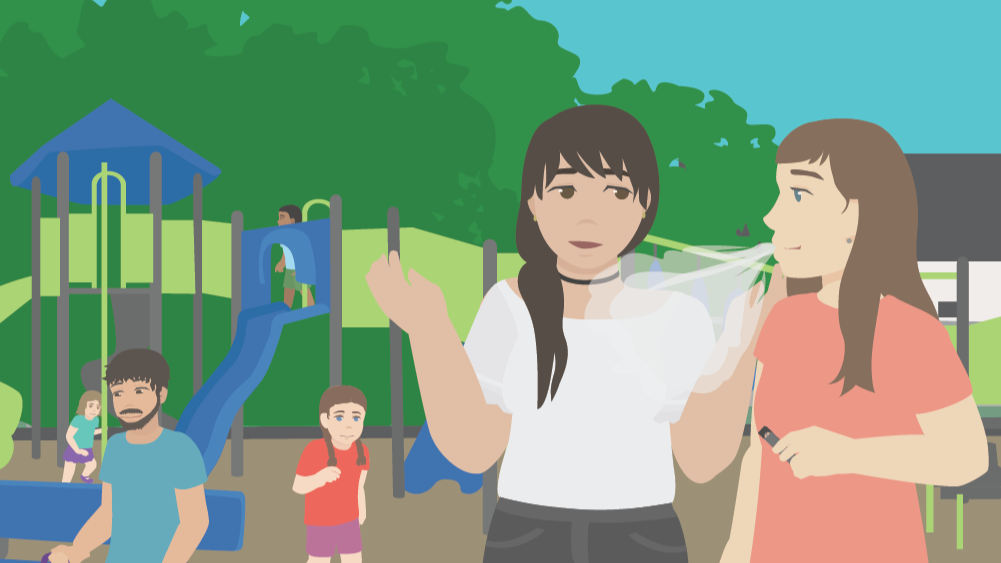
Parents can make a meaningful difference in preventing nicotine and cannabis vaping, starting with understanding what vaping is and how to support their teen. Vaping is the use of an electronic device, such as an e-cigarette or vape pen.1 These devices may contain nicotine, cannabis compounds such as THC or CBD, flavorings, and other chemicals.2 When the device heats a liquid, oil, or concentrate, it produces an aerosol that is inhaled into the lungs.
Vaping products can be difficult for parents to recognize. Some are disposable, some are refillable, and others use cartridges or pods. They may be small, colorful, or designed to look like everyday objects. Nicotine and cannabis vaping products may also look very similar, even though they involve different substances and can affect teens in different ways.
Nicotine and Cannabis Vaping: What’s the Difference?
Nicotine vaping involves inhaling nicotine, a highly addictive substance found in tobacco products. These devices typically use e-liquids and are available in disposable, refillable, cartridge-based, or pod-based forms. Sweet fruit and candy-flavored e-liquids have been shown to appeal to teens and increase their willingness to try vaping.3 Given these concerns, only certain e-cigarette products are authorized for legal marketing in the United States. However, recently, the FDA authorized some flavored products that use age-verification technology, including smartphone Bluetooth pairing, to help reduce access by individuals under 21 years of age.4 These new flavored products are not yet widely available, so their impact on teen vaping remains unknown.
Cannabis, also known as marijuana or weed, can also be vaped.2 Cannabis contains two main compounds: tetrahydrocannabinol (THC) and cannabidiol (CBD). THC is the primary psychoactive compound in cannabis that produces a “high,” whereas CBD does not. Cannabis vaping products can look nearly identical to nicotine vaping devices and function similarly, using cartridges or disposable vape pens filled with a liquid cannabis concentrate. These highly concentrated cannabis oils and waxes (also called dab) may contain THC, CBD, or both, and because cannabis oils and waxes are highly concentrated forms of cannabis, they can deliver large amounts of THC in a short period of time. As a result, teens may be exposed to much higher levels of THC than they realize.
Although nicotine and cannabis vaping involve different substances, both can have significant health effects for teens.
How Can Vaping Affect Health?
Nicotine is highly addictive and can affect the developing adolescent brain, which continues to mature until about age 25. Nicotine use during this period can affect attention, learning, mood, concentration, and impulse control.5 During this stage of brain development, teens are also more susceptible to nicotine’s effects on the body along with its addictive properties, meaning teens can develop nicotine dependence more quickly than adults.6 This can make quitting more difficult, increase the risk of long-term dependence, and increase the likelihood of future tobacco product use.
Signs of nicotine dependence can include cravings, irritability, restlessness, difficulty concentrating, and mood changes when nicotine is not available.
In some cases, high levels of nicotine consumption in a short period of time can lead to nicotine poisoning, also called acute nicotine exposure.7 Symptoms may include nausea, vomiting, dizziness, rapid heartbeat, and difficulty breathing, and severe cases can be life-threatening.
Like nicotine, cannabis can be used by adults, and even has multiple medical uses as well, but cannabis can pose important health risks for teens. THC can also impact the critical brain development happening in the teen years, affecting areas of the brain involved in learning, memory, attention, decision-making, coordination, and reaction time.8,9 Frequent use of high-potency THC products, like vapes, can increase tolerance, meaning users may need more THC over time to achieve the same effect. This high consumption increases the risk of long-term developmental and health concerns, as well as cannabis use disorder, the medical term for cannabis dependence. On top of that, research also shows that people who begin using cannabis before age 18 are at greater risk of developing cannabis dependence than those who start later in life.
Due to the psychoactive properties of cannabis that cause the feeling of being “high”, in the short-term, when a teen uses cannabis, it can affect attention, learning, memory, problem-solving, judgment, coordination, reaction time, mood, and perception. It may also increase the risk of injuries due to impaired judgment and coordination. Some teens may appear unusually tired, withdrawn, less motivated, or have difficulty concentrating after use.
Vaping either nicotine or cannabis can cause respiratory symptoms such as coughing and lung irritation, or more long-term damage affecting lung health.10 Recently, vaping has been associated with E-cigarette or Vaping Product Use-Associated Lung Injury (EVALI), a long-term condition that can cause cough, shortness of breath, chest pain, nausea, vomiting, fever, and fatigue. EVALI has most commonly been linked to unregulated, illegal vaping devices.
Why Are Teens Drawn to Vaping?
Many parents wonder why vaping has become so appealing to teenagers despite these health concerns. Adolescence is a time of exploration, learning, curiosity, and growing independence. During this stage, teens are still developing their decision-making skills and may focus more on short-term rewards than long-term consequences, making them more likely to take risks and try new things.11 While this is a normal and important part of development, it can also make them more likely to experiment with behaviors like vaping despite the potential risks.
Several individual factors can shape teens' attitudes toward vaping and influence whether they decide to vape. These include how risky they believe vaping is, the influence of their peers, their mental health, and exposure to social media.12,13
Research shows that how risky teens perceive a behavior to be can influence whether they decide to try it, so when a teen thinks something is less harmful, they may be more willing to do it.14 Unfortunately, due to the initial marketing of vaping products, research shows that they are often thought of as a safer alternative compared to smoking, despite later research indicating that they come with their own risks.3 This trend holds true locally as well. From a 2025 survey of Cortland County 7th to 12th graders, more local teens believe cigarette use poses health risks compared to those who perceive vaping nicotine poses health risks, and the perceived risk of cannabis use is even lower.15 These beliefs that vaping, and especially cannabis use, are thought to be “safer” can increase the likelihood of use. Finally, local data also suggest that vaping either nicotine or cannabis increases the likelihood of vaping both substances, with more than half of teens who reported vaping also reporting that they use both nicotine and cannabis vapes, so it is important to talk about the health risks of both substances when talking about vaping.15
Friends and social media can also play a role in teens’ decisions about vaping. The beliefs and behaviors of peers are especially influential during this period. In the local data, teens who reported vaping were less likely to say that they had friends who thought vaping was wrong and less likely to report that none of their closest friends used cannabis, nicotine products, or other substances.15 Social media usage and screentime can also impact teens. Research shows that exposure to substance-related content on social media is associated with a greater likelihood of nicotine and cannabis vaping use among teens.16 While who they are friends with or their social media usage may not cause a teen to vape, the people they spend time with and the content they consume can influence their beliefs of what is okay or healthy, which can impact their behavior.
Finally, some teens may use nicotine or cannabis vapes as a way to cope with depression, anxiety, stress, loneliness, or social pressure. Locally, teens who reported vaping were more likely to report symptoms of depression and anxiety, higher levels of stress, and greater concerns related to social media interactions, loneliness, and thoughts of self-harm or suicide.15 On top of this, teens who reported vaping were more likely to report unhealthy levels of social media use, around 5 or more hours a day, which can further worsen mental health symptoms and potentially increase substance use.15
In addition to individual factors, environmental factors also influence teen vaping behaviors. As previously mentioned, when nicotine vaping products first entered the market, fruit and candy flavors were especially appealing to teens because they were familiar and masked the harsh taste of nicotine.17 Manufacturers also marketed these products in ways that specifically appealed to young people.3 They were later held accountable, and many flavored products were removed from the market, but the popularity of flavored vapes among teens and the damage their marketing caused by getting more young people vaping or thinking positively of vaping can still be seen today. While the recent authorization of new flavored vaping products include the requirement for age verification technology, many are concerned that reintroducing flavored vapes can still have the same effect on teen vaping.
While these individual and environmental factors can be beyond parents’ control, some of the most important protective factors against youth substance use begin at home. Supportive family relationships, clear expectations about substance use, and limiting access to nicotine and cannabis products can all help reduce a teen’s risk of vaping. However, preventing teens from vaping involves more than one conversation. Effective prevention looks like creating a supportive home environment that makes healthy choices easier.
So What Can Parents Do?
While peers, social media, and experience all become more influential during adolescence, parents remain one of the strongest influences in teens’ lives.18 Teenagers often want to live up to their parents' expectations and value what their parents have to say, and that even applies to substance use. This doesn’t mean parents need to be perfect or have all the answers to make a difference. Supportive family relationships, including staying connected and listening without judgment, setting clear expectations, and maintaining open communication, are important protective factors that can help build trust and support healthy decision-making to reduce the risk of nicotine and cannabis use.
Start Conversations Early and Often
Talking with teens about vaping, nicotine, cannabis, and healthy decision-making works best when it is an ongoing discussion.19 This means parents don’t have to have one perfect sit-down conversation. Everyday moments can create low-stress opportunities to ask questions, share information, and listen.
Parents can ask open-ended, non-judgmental questions such as:
“What do you think about vaping?”
“What have you heard about cannabis or getting high?”
“How do you think vaping nicotine or cannabis affects someone’s health?”
“Why do you think some teens decide to try vaping or cannabis?”
“What questions do you have about vaping?”
This approach helps teens know that they can come to their parents or caregivers with questions, their voice matters, and they won't be judged or punished. This also gives parents a chance to educate and correct misinformation, share family expectations, and remind teens that their health and safety matter.
Set Clear Expectations
Clear and consistent expectations about nicotine and cannabis use can help teens understand family boundaries, reinforce family values, and recognize that vaping is not an accepted behavior.20 Research shows that teens often listen to their parents and want to live up to their parents’ expectations, including when they set rules around substance use.18
Parents and caregivers can help by:
Setting a positive example by avoiding nicotine or cannabis use around their teen.
Communicating clear expectations about vaping and other substance use.
Establishing family rules for social activities, sleepovers, and extracurricular events.
Talking about expectations and consequences ahead of time.
Checking in regularly with their teen about the rules and if they’re being followed.
Reassuring their teen that they are always loved and supported, even when consequences are needed.
Practice Safe Storage
In New York State, cannabis and nicotine products are legal for adults ages 21 and older. If cannabis or nicotine products are present in the home, they should be stored securely.21 Keeping these products locked, out of sight, and out of reach of children and teens can help prevent accidental exposure and reduce access. Data from local surveys indicate that teens most commonly get cannabis from people they already know or at social gatherings.14 Some also report obtaining cannabis from home, with or without permission. This reinforces the importance of securely storing cannabis products and setting clear family expectations about who in the home can access nicotine and cannabis.
Parents and caregivers can help by:
Keeping nicotine and cannabis products locked, out of sight, and out of reach.
Keeping cannabis products in their original packaging with warning labels.
Storing nicotine and cannabis products away from food, beverages, and commonly used household areas.
Talking with grandparents, caregivers, and other trusted adults about family expectations and safe storage.
Disposing of unused or expired products safely.*
*Vape products may contain residual cannabis concentrate or nicotine liquid along with lithium-ion batteries, which pose poisoning, fire, and environmental hazards if thrown away with standard household waste. For safe disposal, check with your local county waste management for how to dispose of household hazardous waste or other approved disposal options.
Build Healthy Coping Skills
Parents play an important role in shaping how teens cope with stress. When parents model healthy coping strategies, teens are more likely to build confidence in managing challenges and develop resilience when they face their own stress.22 This can make them less likely to rely on nicotine, cannabis, or other substances as a way to cope.
Parents and caregivers can help by:
Helping their teens notice the signs that they’re feeling stressed or overwhelmed.
Talking openly about how their teen handles stress and challenges in daily life.
Encouraging healthy coping strategies, such as physical activity, time outdoors, music, art, journaling, mindfulness, meditation, or spending time with supportive people.
Helping their teens build problem-solving skills.
Encouraging connection with trusted adults and positive peers.
Helping their teens access professional support when stress becomes persistent or overwhelming.
Parents Can Make a Difference
Addressing teen vaping can feel overwhelming, especially as products change, new products come on the market, and vapes become harder to recognize. However, prevention is possible. Parents can make a meaningful difference by staying connected and having open conversations, setting clear expectations, practicing safe storage, teaching their teens about mental health and coping strategies, and continuing open conversations as their teen gets older.
Teens need support, structure, and trusted adults who are willing to listen, and small, consistent actions can help create an environment where healthy choices are easier to make.
For more content for parents of teens, check out our parenting resources on SAFE365ny.org
References
Cleveland Clinic. Vaping (E-Cigarettes). Updated August 2022.
Chadi N, Minato C, Stanwick R. Cannabis vaping: Understanding the health risks of a rapidly emerging trend. Paediatric Child Health. 2020 Jun;25(Suppl 1):S16-S20.
Centers for Disease Control and Prevention. E-Cigarette Use Among Youth and Young Adults: A Report of the Surgeon General. 2016.
U.S. Food and Drug Administration. FDA Expands Market Access, Authorizes New ENDS Products. Published May 2026.
Goriounova NA, Mansvelder HD. Short- and long-term consequences of nicotine exposure during adolescence for prefrontal cortex neuronal network function. Cold Spring Harb Perspect Med. 2012 Dec 1;2(12):a012120.
Tompa R. Young people and nicotine: Five things to know. Stanford Medicine. Published August 2025.
Cleveland Clinic. Nicotine Poisoning.Updated March 2026.
Murray CH, Huang Z, Lee R, de Wit H. Adolescents are more sensitive than adults to acute behavioral and cognitive effects of THC. Neuropsychopharmacology. 2022 Jun;47(7):1331-1338.
Substance Abuse and Mental Health Services Administration. Know the Effects, Risks and Side Effects of Marijuana.Updated September 2025.
American Lung Association. EVALI. Updated May 2023.
Steinberg L. A Social Neuroscience Perspective on Adolescent Risk-Taking. Dev Rev. 2008 Mar;28(1):78-106.
Patrick ME, Terry-McElrath YM, Arterberry B, Miech RA. Reasons for Vaping Among US Adolescents. American Academy of Pediatrics. 2024 Dec 1;154(6):e2024067856.
Centers for Disease Control and Prevention. Why Youth Vape. Updated October 2024.
Lipari RN. Trends in Adolescent Substance Use and Perception of Risk from Substance Use. Substance Abuse and Mental Health Services Administration.2013 Jan.
The Rural Health Institute (RHI). Results and Analysis: The 2025 Cortland County Youth Survey. 2025.
Liu J, Charmaraman L, Bickham D. Association Between Social Media Use and Substance Use Among Middle and High School-Aged Youth. Subst Use Misuse. 2024;59(7):1039-1046.
Leventhal LM, Goldenson N, Cho J. Kirkpatrick MG, McConnell RS, et al. Flavored E-cigarette Use and Progression of Vaping in Adolescents. Pediatrics. 2019 Nov;144(5):e20190789.
Simons-Morton, B. Social Influences on Adolescent Substance Use. American journal of health behavior. 2007 Nov;31(6):672-84.
New York State Office of Addiction Services and Supports. Cannabis Toolkit for Parents and Mentors.
Substance Abuse and Mental Health Services Administration. Talking with your teen about vaping: Keep Your Kids Safe.
New York State Office of Cannabis Management. Cannabis Safe Storage New York. Published May 2025.
American Psychological Association. How to help children and teens manage their stress. Updated October 2024.